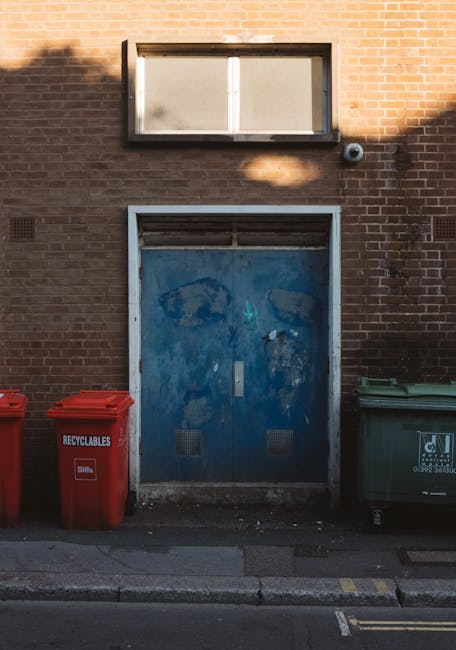
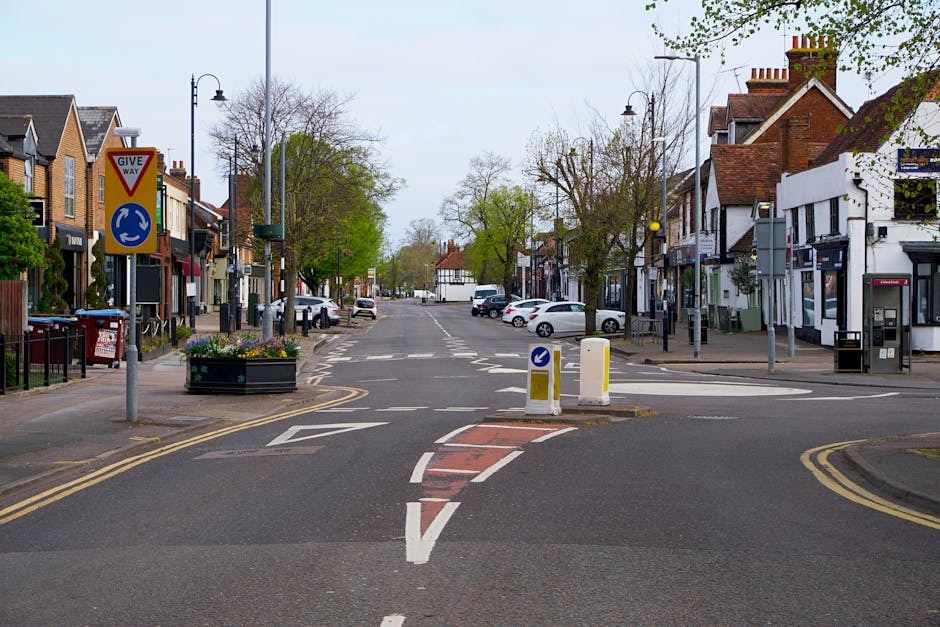
Station Road Sudbury Skip Alternative Options for Rubbish: Practical Choices That Actually Work
If you are looking at Station Road Sudbury skip alternative options for rubbish, chances are you want the mess gone without the usual skip headaches. Maybe the road space is tight. Maybe you do not want a permit on your hands. Or maybe you just need a quicker, tidier way to clear a house, garden, garage, or office without having a big metal container sitting outside for days. Whatever the reason, there are better options than defaulting to a skip, and a few of them are surprisingly straightforward.
This guide walks through the most sensible alternatives, how they work, where they fit best, and what to avoid if you want a smooth, legal, and efficient rubbish clearance. To be fair, rubbish rarely feels urgent until it is blocking a hallway or gathering in the front garden. Then it becomes very urgent, very quickly.
Along the way, you will also see how related services like waste removal, house clearance, and recycling and sustainability can help you choose the cleanest route for your situation.
Table of Contents
- Why Station Road Sudbury skip alternative options for rubbish Matters
- How Station Road Sudbury skip alternative options for rubbish Works
- Key Benefits and Practical Advantages
- Who This Is For and When It Makes Sense
- Step-by-Step Guidance
- Expert Tips for Better Results
- Common Mistakes to Avoid
- Tools, Resources and Recommendations
- Law, Compliance, Standards, or Best Practice
- Options, Methods, or Comparison Table
- Case Study or Real-World Example
- Practical Checklist
- Conclusion
- Frequently Asked Questions
Why Station Road Sudbury Skip Alternative Options for Rubbish Matters
Skip hire is useful in the right setting, but it is not always the cleanest answer. On a road like Station Road, access, parking, nearby traffic, and general frontage space can all make a skip less appealing than it sounds on paper. Even before you get to the practical side, there is the question of whether a permit is needed, whether the container will fit safely, and whether you actually have enough waste to justify it.
Skip alternatives matter because rubbish removal is not just about volume. It is also about speed, access, budget, and how much effort you want to put in yourself. A small flat clearance, a garage full of mixed clutter, or a few bulky items from a home move can often be handled better with a collection-based service or a tailored clearance plan.
There is also a tidy-up advantage that people often overlook. A good alternative can leave you with no skip marks on the drive, no overflowing container attracting extra bits of waste from passers-by, and no awkward week-long wait wondering when the hire period ends. It just feels simpler. And honestly, simpler is underrated.
If your rubbish is mixed, awkward, or partly reusable, alternatives can also improve sorting and recovery. That can support better recycling outcomes, which is why pages like recycling and sustainability are worth understanding before you book anything.
How Station Road Sudbury Skip Alternative Options for Rubbish Works
At a basic level, skip alternatives replace the "drop it and leave it" model with a more flexible collection or clearance model. Instead of a skip sitting outside, a team or collection service comes in, loads the rubbish, and takes it away in one visit or in staged collections if needed.
That can work in several different ways:
- Man and van rubbish removal for quick collection of loose waste, bagged rubbish, or bulky items.
- House or home clearance for larger domestic jobs with mixed contents.
- Garage, loft, or garden clearance when the waste is awkwardly stored or spread around the property.
- Builders waste clearance for renovation debris, packaging, timber offcuts, and similar waste streams.
- Furniture disposal or furniture clearance for heavy items that are too much trouble to shift yourself.
The process is usually more hands-on than skip hire, but in a good way. The load is removed from where it sits, so you do not need to carry everything to a roadside container. That is a big deal if you are on an upper floor, managing stairs, or trying to keep a hallway usable while the work is underway.
A typical clearance appointment is fairly straightforward. You explain what needs removing, a team assesses the volume and type of waste, and collection happens at an agreed time. In some situations, this can be far quicker than waiting around for skip delivery and collection windows. A bit old-fashioned maybe, but efficient is efficient.
For business premises, alternatives can also fit around opening hours better. An office, shop, or workshop may prefer an early or late pickup rather than leaving a skip outside all week. If that sounds familiar, business waste removal and office clearance are the kinds of services to look at.
Key Benefits and Practical Advantages
There are several reasons people switch from skip hire to an alternative rubbish solution, and most of them are practical rather than fancy.
- Less pressure on space - You are not giving up a driveway, front area, or roadside spot for several days.
- Faster turnaround - Ideal when you need the rubbish cleared before a move, renovation deadline, or inspection.
- Less lifting for you - The collection team does the heavy work, which is a relief if the pile is awkward or upstairs.
- Better for mixed loads - Many household clearances are not neat, single-material jobs.
- More flexible for one-off jobs - Great for garage declutters, loft clear-outs, and post-tenant tidy-ups.
- Often less hassle overall - No skip permit headache, no container placement arguments, no guessing if the load will fit.
There is also a psychological benefit. A skip can make a property look like a worksite. That is fine if you are mid-build, but less ideal if you just want to clear junk without turning the place upside down. Skip alternatives feel more contained. They come, they go, and life gets back to normal.
For items that are not just rubbish but old furniture, damaged mattresses, or a tired sofa that has seen better days, you may find a dedicated service like furniture disposal more suitable than a generic waste container.
Who This Is For and When It Makes Sense
Skip alternatives are not only for people in a rush. They are often the better choice for anyone who wants the job done neatly and with less disruption.
This may suit you if you are:
- clearing a house, flat, or inherited property
- sorting out a garage that has quietly become a storage archive
- removing garden waste after a tidy-up
- preparing for a move or end-of-tenancy clean
- disposing of bulky items like wardrobes, beds, or old office furniture
- managing builders' waste after a small renovation
- trying to avoid a skip on a narrow or busy road
It also makes sense if the waste is scattered rather than stacked. A skip is useful when everything is already in one place and easy to load. But if you need help gathering items from several rooms, a loft, a shed, or a back garden, a clearance-based approach is often much more realistic.
In our experience, many people only realise this halfway through their planning. They think, "I'll just get a skip," then notice the awkward access, the shared parking, the wheelie bins, the neighbour's driveway, and suddenly it all feels a bit much. That is usually the point where an alternative starts looking much smarter.
For larger domestic jobs, it can help to look at home clearance, house clearance, or loft clearance if the rubbish is mixed with unwanted household contents.
Step-by-Step Guidance
If you want to choose the right skip alternative without overcomplicating it, follow this simple process.
- Identify the waste type
Separate general rubbish, bulky items, garden waste, builder's debris, electricals, and anything potentially hazardous. This matters because mixed waste can affect what can be collected and how it is processed. - Estimate the volume
Think in terms of how many bin bags, bulky items, or roomfuls of clutter you have. A rough estimate is enough at first. You do not need a spreadsheet and a cup of tea, though both are acceptable. - Check access
Look at stairs, narrow paths, parking, loading points, and whether items need carrying from the rear of the property. This often decides whether a clearance service is the best option. - Decide how involved you want to be
Do you want to do some loading yourself, or do you need a full clear-out where the team handles everything? - Request a quote with clear details
Be honest about what is included. The more accurate your description, the smoother the process. If there are heavy cupboards, broken tiles, or mixed waste, say so up front. - Prepare the items
Bag loose rubbish, unlock access routes, and group items where possible. Small preparation saves time on the day. - Confirm disposal expectations
Ask how the waste will be handled, especially if you care about reuse, recycling, or separating furniture from general rubbish. - Book the collection
Choose a time that suits your schedule and avoids traffic or parking pressure. Early mornings tend to be calmer, if that works for you.
A little planning goes a long way. It is not glamorous, but neither is wrestling a cracked wardrobe down the stairs at 7:30 on a wet Tuesday.
Expert Tips for Better Results
Here are a few things that make a real difference when you are comparing skip alternatives.
1. Separate reusable items first. If a chair, desk, or cupboard can be reused or passed on, keep it out of the rubbish pile. That helps reduce waste and can simplify collection. Even if the item looks a bit past it, it may still be salvageable.
2. Be realistic about heavy waste. Soil, bricks, tiles, timber, and wet garden waste all behave differently in a load. Heavy material can change pricing and loading time, so do not tuck it into the description as an afterthought.
3. Think about timing. If you are clearing a property before key handover, or around a building job with trades arriving, book the removal earlier than you think you need to. Last-minute sorting is where stress sneaks in.
4. Ask what happens to the waste. A trustworthy service should be able to explain how different items are sorted or handled. You do not need a lecture, just clear, sensible answers.
5. Keep a clean pathway. Open gates, move cars if needed, and make sure the route from the waste to the vehicle is clear. It sounds obvious, but people forget. We all do, to be fair.
If you are dealing with furniture, the dedicated furniture clearance option may be simpler than treating everything as general rubbish. Same goes for garden clear-outs with branches, clippings, and old pots - a specific garden clearance can be the neatest route.
Common Mistakes to Avoid
People usually get into trouble with rubbish removal by underestimating the job, not by choosing the wrong service in bad faith. A few common mistakes come up again and again.
- Assuming all waste is the same - It is not. A pile of cardboard is very different from mixed renovation debris.
- Ignoring access - A "small job" can become difficult if the only route is through a tight side passage or several flights of stairs.
- Forgetting bulky items - One old wardrobe, sofa, or appliance can completely change the volume of a clearance.
- Leaving everything until the last day - This often creates unnecessary pressure and can make a simple job look bigger than it is.
- Using a collection method that does not match the waste - For example, a service designed for light domestic rubbish may not be ideal for builders' rubble.
- Not checking where special waste should go - Electricals, paint, batteries, and similar items may need separate handling depending on the situation.
A quick reality check helps here: if you are already asking, "Will this fit? Will I need help carrying it? How long will this take?" then you are probably in skip-alternative territory rather than simple skip-hire territory.
Tools, Resources and Recommendations
You do not need a complicated toolkit to organise rubbish clearance well. A few basic things will make the process cleaner and less stressful.
- Heavy-duty bin bags for loose household waste
- Marker tape or labels to separate keep, donate, recycle, and remove piles
- Work gloves for sorting sharp or dusty items
- A torch for lofts, cupboards, sheds, and darker corners
- Basic measuring tape if you want a more accurate idea of item size
- Access keys or codes ready in advance
In practical terms, the best "resource" is often a clear conversation with the clearance provider. Ask what they can take, how they handle mixed loads, and whether they offer services better suited to your particular property type. For instance, garage clearance is a good fit for cluttered storage spaces, while flat clearance makes more sense where access and stair movement are the main issue.
If the waste belongs to a workplace, browse business waste removal and office clearance options instead of trying to squeeze a commercial load into a domestic-style plan. Different problem, different answer.
Law, Compliance, Standards, or Best Practice
Any rubbish clearance in the UK should be approached carefully and responsibly. You do not need to become a legal expert, but you do need to be sensible about what is being removed and who is taking it away.
Good practice usually includes:
- using a waste carrier who handles rubbish lawfully
- making sure waste is not fly-tipped or dumped carelessly
- keeping hazardous items separate where required
- being honest about the waste type before collection
- ensuring materials are handled in a way that supports reuse and recycling where practical
For homeowners and landlords, the main risk is handing waste to the wrong person or service and losing track of what happened next. That is where trust and transparency matter. For commercial customers, record-keeping, safe access, and proper disposal become even more important. Nothing dramatic. Just basic, sensible standards done properly.
Safety matters too. Heavy lifting, broken materials, nails, splinters, and dusty loft waste can all be awkward on the body. A responsible provider should work with care and have suitable procedures in place. If you want a clearer picture of the approach, the pages on health and safety policy and insurance and safety are useful indicators of how a service thinks about risk.
Options, Methods, or Comparison Table
Here is a simple comparison of common skip alternatives for rubbish in and around Station Road Sudbury.
| Option | Best for | Main advantage | Possible drawback |
|---|---|---|---|
| Man and van rubbish removal | Small to medium mixed loads | Fast, flexible, little disruption | May not suit very large volumes |
| House or home clearance | Whole-property or room-by-room clear-outs | Handles mixed contents well | More involved than a simple drop-off |
| Garage or loft clearance | Stored clutter, bulky household items | Targets awkward spaces directly | Access can still affect timing |
| Garden clearance | Green waste and outdoor rubbish | Useful after seasonal tidy-ups | Wet or heavy material can be bulky |
| Builders waste clearance | Renovation and trade debris | Good for fast site tidy-ups | Heavy rubble needs clear description |
| Furniture clearance | Sofas, wardrobes, tables, beds | Takes the weight off your shoulders, literally | Mixed loads may need extra planning |
As a rule of thumb, choose the option that best matches the shape of the job, not just the size. A small but awkward load can take more effort than a larger pile of easy-to-move waste.
Case Study or Real-World Example
Imagine a typical pre-move clear-out on Station Road. A family has a shed full of broken plant pots, two old chairs, a stack of cardboard, a tired chest of drawers, and a few bags of general junk that have somehow multiplied over the years. They think about getting a skip. Then they look at the frontage, the parking, the foot traffic, and the fact that they only need the rubbish gone for one afternoon.
In that situation, a skip would not be impossible, but it would be a bit clumsy. A collection-based waste removal visit is often the cleaner fit. The items are removed in one go, the path is kept clear, and the driveway does not get blocked for days. If the chest of drawers is decent enough to reuse, it might be handled separately through a furniture-focused service. The garden waste could be bundled into the same larger clearance if arranged properly.
The interesting part is how much simpler the day feels. No waiting around for delivery. No load-building puzzle. No wondering whether the last bag will fit. Just a practical sweep through the space, then it is done. You can hear the echo come back into the room after clutter leaves. That small moment, weirdly, is often the best bit.
For bigger domestic examples, a mix of home clearance and furniture disposal is often more efficient than trying to force everything into a one-size-fits-all skip plan.
Practical Checklist
Use this quick checklist before you book any rubbish removal alternative.
- Have I listed everything that needs removing?
- Do I know whether the waste is mixed, bulky, heavy, or green waste?
- Is access clear from the property to the collection point?
- Have I separated anything reusable?
- Do I need help with stairs, loft access, or awkward furniture?
- Have I checked whether any items need special handling?
- Have I chosen a service that matches the job size?
- Do I understand the time window and what preparation is needed?
- Have I thought about recycling or recovery where possible?
- Am I trying to solve a simple clearance problem with an overly complicated skip plan?
If you can tick most of those off, you are in good shape. If not, pause for a minute and rethink. A slightly better plan now can save a lot of frustration later.
Get a free quote today and see how much you can save.
Conclusion
When you are dealing with rubbish on or near Station Road Sudbury, the best answer is not always a skip. In many real-world situations, skip alternative options are more practical, more flexible, and less disruptive. They work better for awkward access, mixed household waste, bulky items, business clearances, and jobs where you simply want the mess gone without turning the street into a storage zone.
The key is matching the method to the waste. Once you do that, the whole process becomes much easier. You save time, avoid unnecessary hassle, and usually end up with a cleaner result too. That is the point, after all.
And if the job feels bigger than you first thought, that is normal. Rubbish has a funny way of looking smaller before you start. Once you begin sorting it, the pile always seems to have opinions.
Frequently Asked Questions
What are the best skip alternative options for rubbish on Station Road Sudbury?
The best options usually include rubbish removal, house clearance, garage clearance, garden clearance, and furniture disposal. The right one depends on waste type, access, and how much lifting you want to do yourself.
Is skip hire still better for some jobs?
Yes. If you have a large, easy-to-load volume of inert waste and space is not a problem, skip hire can still be practical. It is just not always the best fit for narrow access or mixed household rubbish.
Do I need a permit for a skip on a road like Station Road?
You may need a permit if the skip is placed on a public road. The exact position and local rules matter, so it is worth checking before committing. Many people choose an alternative to avoid that issue altogether.
Can bulky items be removed without a skip?
Yes. Bulky furniture, wardrobes, beds, sofas, and similar items are often better handled through a furniture clearance or furniture disposal service rather than being loaded into a skip.
What happens to mixed rubbish after collection?
It is usually sorted so different materials can be handled appropriately. Reusable items may be separated, recyclables diverted where possible, and the rest disposed of responsibly.
Is a skip alternative cheaper than a skip?
Sometimes, yes. It depends on volume, labour, access, and how quickly the job can be completed. In small to medium clearances, alternatives can be better value because you are not paying for a container sitting idle.
What if my rubbish includes garden waste and old furniture?
A mixed clearance can often handle both, provided the provider is told in advance. In some cases, combining garden clearance and furniture removal is simpler than arranging separate jobs.
Can builders waste be removed without hiring a skip?
Yes. Builders waste clearance is a common skip alternative, especially for smaller renovation jobs where the debris does not justify a full skip on site.
How quickly can rubbish be collected?
Often very quickly, depending on availability and the size of the job. Many people choose these alternatives because they want a faster turnaround than skip delivery and collection.
What should I do before the collection team arrives?
Clear access, bag loose waste if possible, separate reusable items, and make sure the team can reach the items safely. A few minutes of prep can save a lot of time on the day.
Is this suitable for flats and upper floors?
Yes, often it is. Flat clearance is one of the situations where skip alternatives can really shine because carrying waste down from upper floors into a container outside is rarely convenient.
How do I know if my waste needs special handling?
If it includes electricals, paint, batteries, sharp materials, or anything potentially hazardous, mention it early. A sensible provider will tell you what can be taken and how it should be dealt with.
If you want to learn more about the company behind these services, you can also read about about us, review pricing and quotes, or go straight to contact us when you are ready to talk through the job.
Whatever shape your rubbish problem takes, the right solution is usually the one that leaves the space lighter, safer, and easier to live or work in. That part never gets old.