Garden Clearance in Sudbury
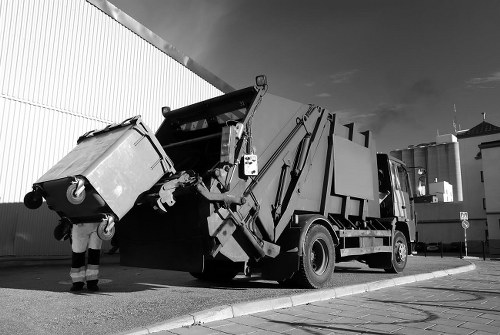
Garden Clearance Sudbury provides a straightforward way to clear outdoor spaces, remove bulky green waste and deal with unwanted garden materials in a tidy, organised manner. If a garden has become difficult to use because of cuttings, old shed contents, broken pots, rotting timber or general accumulated debris, our garden clearance service is designed to restore order without turning the job into a larger upheaval than necessary. The work can be tailored to the layout of the property, the type of waste present and how much sorting is needed on site.
We handle practical clearance tasks across domestic and commercial outdoor areas, including piles of branches, hedge trimmings, soil-contaminated waste, plant pots, damaged outdoor furniture and mixed items that no longer belong in the garden. Where materials can be separated sensibly, that is done with care, because a clean result is not just about taking things away; it is also about making sure the right types of waste are managed properly. If you need a clear plan for a garden that feels overdue for attention, ask for a quotation.
Our approach suits customers who want the outside space made usable again with minimum fuss. We work in a way that keeps the site as orderly as possible during the clearance process, and we can adapt to everything from a small back garden to a larger overgrown plot. For items that need special attention, such as heavier timber, broken fixtures or mixed garden rubbish, the service can be planned around the practical steps needed to clear them safely. Clear access, clear scope, clear outcome remains the aim throughout.
Garden waste removal and mixed outdoor rubbish
Garden waste removal is often broader than simple green cuttings. A clear-up may include seasonal pruning, lawn clippings, plant matter, weeds, dead growth and the smaller pieces that build up after repeated maintenance. Mixed outdoor rubbish can also include old bagged waste, broken fencing sections, dislodged edging, cracked plant containers and items that have been left outside for too long. Separating these materials carefully helps create a cleaner finish and makes the clearance more efficient overall.
When the garden contains a mixture of natural waste and man-made items, it is useful to think about the final result rather than just the individual objects. Some customers want pathways reopened, others want borders reset, and some simply need the space returned to a manageable state. We can clear the obvious clutter first and then work through the remaining materials in a logical order. For a better view of the overall process, see our waste removal service.
Two things make the job easier to plan: knowing which parts of the garden matter most to you and deciding whether anything should be retained for reuse or storage. A brief description is usually enough to help set expectations, though photographs can be useful where access is limited or the waste is spread across several areas. If you are ready to move forward, request a quotation and we can shape the work around the site.
Overgrown gardens, sheds and boundary clearances
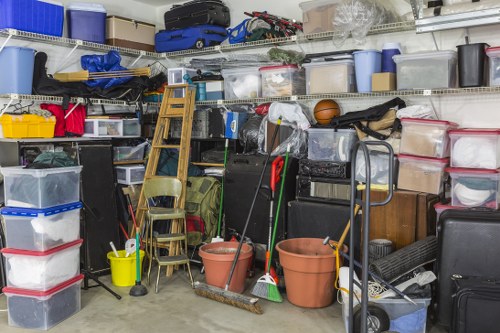
Some clearances are not just about loose waste. Overgrown gardens may include bramble growth, heavy vegetation, fallen branches, layers of cut material and compacted debris that has built up near fences, walls or sheds. The task then becomes one of reclaiming usable space while keeping the work controlled and manageable. It can be helpful to start with the most obstructive material first, then move through the rest of the site in stages so the property is left orderly rather than half-finished.
Boundary clearances often involve awkward corner spaces where waste collects over time. These areas may contain old posts, damaged sleepers, scattered rubble from minor repairs or the remains of previous landscaping. We can clear these sections as part of a broader garden clearance, especially where the aim is to create a cleaner edge along a fence line, path or rear boundary. If the space also includes stored household items, our home clearance page gives a useful overview of how larger mixed clearances are approached.
Garden sheds can add another layer of sorting because they often contain a combination of garden tools, packaging, broken accessories and loose items that are no longer needed outdoors. In these cases, the work is best handled with a method that keeps reusable items separate from waste and avoids unnecessary disturbance. Tell us what needs to stay and what needs to go, and the clearance can be planned more accurately from the start.
Choosing the right level of clearance
Not every garden needs the same kind of work. Some properties need only a targeted removal of cuttings and broken items, while others require a deeper clear-out that includes larger objects, overgrowth and neglected corners. The most suitable option depends on the amount of material, the type of access available and whether the space is being prepared for routine maintenance, renovation or sale. Clearances can be scaled to suit the condition of the outdoor area rather than forcing it into a fixed pattern.
In practical terms, a customer often needs help deciding between a light tidy, a one-off clearance or a more involved removal of mixed waste. If the garden contains bulky timber, dismantled fixtures or items that have weathered outdoors, those materials may need to be handled separately from green waste. For related bulky items from inside or around the property, our furniture clearance service may also be relevant where outdoor pieces or stored furnishings need taking away alongside garden contents.
A useful quotation request usually includes the broad type of waste, the approximate size of the area and any access details that affect loading or sorting. If a gate is narrow, if the waste is spread across several sections or if there are heavy objects tucked behind the main garden area, those points help shape the work. Small details often make the difference between an ordinary estimate and a useful one.
Items commonly included in a garden clearance
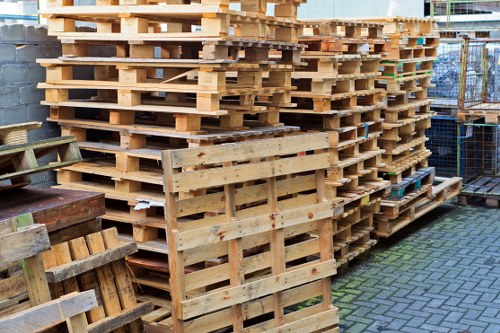
Garden clearance work can include a wide range of items, especially where an outdoor space has been used for storage as well as planting. Typical materials include hedge trimmings, branches, grass cuttings, weeds, potting waste, damaged planters, broken ornaments, old bags, disused hose reels, plant supports and weathered containers. Where a garden has been occupied by a long list of miscellaneous items, clearing it in a sensible order helps prevent important pieces from being overlooked.
It is also common for a clearance to reveal mixed waste that does not fit neatly into one category. That might include cracked timber, dismantled trellis, discarded compost bags, collapsed storage boxes or plastic items that have become brittle after exposure to the weather. If the space includes garage overflow or side-return storage, our garage clearance page may be useful for understanding how adjoining clutter can be handled when outdoor and storage areas overlap.
Useful items are not treated like waste, and where a customer wants certain materials kept aside, that can be planned into the work. The more clearly a job is described at the outset, the more accurately the clearance can be arranged. That is especially important when a garden contains both natural debris and stored possessions, because each may need a different handling approach.
Sorting, loading and sensible disposal choices
Garden clearance is not simply a matter of lifting everything at once. A better approach is to sort items into sensible groups so that green waste, reusable materials and true rubbish can be handled appropriately. This is particularly useful where the site contains a blend of pruned growth, damaged fixtures and general outdoor clutter. Sorting can save time later and helps keep the clearance process organised, especially if the garden has several distinct areas.
We also consider the practicalities of loading. Loose materials behave differently from heavy or awkward items, and a good clearance plan reflects that. Branches, bags, broken slabs and light garden clutter may all require different handling. Where customers are comparing service types, our garden clearance page is the core destination for this work, while recycling and sustainability explains the broader approach to handling waste responsibly.
In day-to-day terms, a straightforward quotation is easier when the scope is focused. A few clear notes about the materials, approximate quantity and whether anything is especially heavy can be enough to set the job in motion. Need the garden cleared and ready for use? Send the details across and ask for a quotation.
Planning a quotation for the work
The best quotations for garden clearance are based on the actual conditions of the site. That usually means taking account of how much material is present, whether it is concentrated in one place or spread through the garden, and whether any items need extra handling because of their weight, shape or condition. If the garden includes deep piles of cuttings or long-neglected sections, it may also help to note whether the clearance is part of a larger tidy-up or a one-off reset.
Customers often find it useful to gather a basic inventory of what needs removing. A short list can make a big difference, particularly if the work includes outdoor furniture, timber, planters, tools, fencing offcuts or mixed bagged waste. For jobs that involve bulkier household contents as well as outdoor items, the flat clearance page shows how mixed clearances can be organised when several types of waste appear in the same property.
Where access is awkward, photographs can help explain the layout, although they are not the only way to describe a job. The key is to be specific enough that the clearance can be planned sensibly without overcomplicating the enquiry. If you would like the site looked at and the work priced accordingly, request a quotation when you are ready.
About Sudbury
Sudbury is a market town in Suffolk, close to the River Stour and the border with Essex, and it has a long-established history as a settlement shaped by trade, weaving and local agriculture. The town centre retains a compact pattern of streets, with historic buildings, independent shops and civic spaces that reflect its growth over many centuries. St Peter’s Church is one of the best-known landmarks, and its prominent tower gives the town a distinctive skyline from several approaches. The river corridor and nearby water meadows add a softer landscape contrast to the built-up centre, creating a setting where town and countryside sit close together. Sudbury is also associated with Thomas Gainsborough, whose birthplace is now a museum, giving the town an important place in British art history. Beyond the centre, the town’s residential areas, schools and community facilities spread outward in a way that reflects gradual development rather than a single planned expansion. The surrounding Suffolk countryside, with its fields, hedgerows and rural lanes, remains an important part of the wider character of the place. Local parks and green spaces offer everyday recreation, while the market town identity still shapes much of its commercial life. Taken together, these features make Sudbury a place with both historic depth and everyday practicality, where the older core and the broader modern town continue to sit alongside one another.
For customers who want a simple next step, the key action is to ask for a quotation and describe the job as clearly as you can. If the garden includes awkward access, mixed materials or larger items that need extra handling, that detail helps the estimate reflect the work more accurately. Clear the clutter, reclaim the space, and then decide how much of the remaining garden you want to keep for future use. When you are ready, contact us to discuss the clearance.
Some jobs are best planned around a specific date, while others are better handled once the scope has been confirmed. Either way, the starting point is the same: explain what is in the garden, what should stay, and what needs to go. That simple distinction helps keep the process efficient and avoids unnecessary back-and-forth later on.
Household items, outdoor furniture and related clearances

Many garden clearances extend beyond plants and soil. Outdoor seating, broken tables, tired storage units, plant stands and weathered decorative items can all end up occupying valuable space. If these objects are no longer serving a purpose, removing them can make the garden feel more open and easier to maintain. We can include them in the same clearance where that is the most practical approach, rather than treating each item as a separate job.
Where the site contains larger domestic items as well as outdoor materials, it can help to think about the overall effect on the property. A garden full of old furnishings, bags, broken containers and stacked equipment may benefit from a wider clear-out that reduces visual clutter as well as physical obstruction. For these situations, our house clearance page may be relevant, especially if the outdoor work connects to rooms, sheds or storage spaces with additional contents.
Practical jobs are usually easier to manage when the purpose is clear: perhaps the garden is being opened up for regular use, perhaps it is being prepared for maintenance, or perhaps the aim is simply to remove accumulated rubbish. However the project is framed, the work should leave the space more workable than before. That is the standard we aim for, whether the clearance is light or more involved.
What a tidy finish should achieve
A good garden clearance leaves the area easier to navigate, simpler to maintain and free from unnecessary clutter. The most obvious waste may be taken away first, but the real benefit comes from restoring a usable layout. Paths are easier to follow, borders are more visible, and storage spaces are no longer crowded by things that should have been removed long ago. That result matters whether the garden is being kept as a family space, a rental property feature or a manageable patch for routine upkeep.
Some clearances also create an opportunity to rethink how the outdoor space is arranged. Once the waste has gone, it becomes easier to see what is left, what needs repairing and what can stay in place. If the job involves additional areas such as loft storage, spare equipment or seasonal household items, our loft clearance page may be useful as a related point of reference for broader decluttering work inside the property.
If you are gathering information for a quotation, you do not need a perfect inventory. A clear summary of the garden condition, a rough idea of the items present and any access notes will usually go a long way. Ask for a quotation when you are ready, and the job can be shaped around the work that actually needs doing.
Final checks before you book the work

Before arranging garden clearance, it helps to make one last review of what needs to remain on site. Plant tubs, reusable tools, outdoor toys, spare timber and sentimental items can sometimes be left among the waste by accident, especially where the garden has not been sorted for a while. A final check can prevent avoidable mistakes and make the actual clearance smoother. It also helps to confirm whether any items are especially heavy, fragile or awkward to move.
If you are comparing related services, our furniture disposal page may be helpful where unwanted outdoor or household furnishings form part of the job, and business waste removal may be relevant for commercial outdoor spaces that generate mixed waste. These pages sit alongside the main garden work, but the specific route you choose depends on the material involved and the setting.
Tell us what needs clearing, note anything that should be preserved, and ask for a quotation when you are ready to proceed. A careful description now usually leads to a more accurate plan later, and that is often the simplest way to get the garden clearance started with confidence.