Comprehensive Guide to Business Waste Removal in Sudbury
Understanding Business Waste Removal
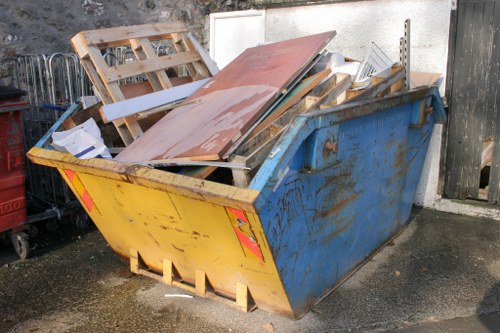
In the thriving city of Sudbury, efficient business waste removal is essential for maintaining a clean and sustainable environment. Proper waste management not only ensures compliance with local regulations but also promotes a healthier workspace and community.
Businesses generate a variety of waste types, from office paper and electronics to industrial by-products. Effectively handling and disposing of these materials requires specialized services tailored to the unique needs of each business.
Choosing the right waste removal service can significantly impact your company's operational efficiency and environmental footprint. It's important to consider factors such as reliability, compliance, and sustainability when selecting a provider.
Types of Business Waste
Understanding the different types of business waste is the first step in effective waste management. Categories typically include:
- General Office Waste: Paper, cardboard, and non-hazardous materials.
- Electronic Waste: Old computers, printers, and other electronic devices.
- Hazardous Waste: Chemicals, batteries, and other materials requiring special handling.
- Industrial Waste: By-products from manufacturing processes.
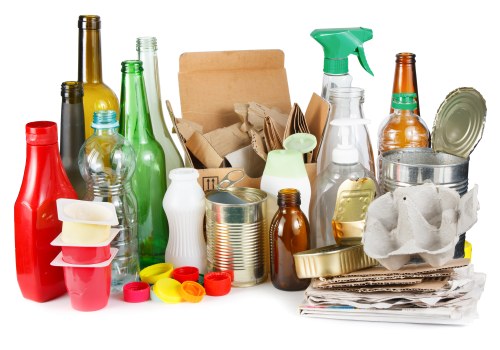
- Recyclable Materials: Plastics, metals, and glass that can be reused.
Proper categorization and disposal of these waste types are crucial for environmental compliance and sustainability efforts.
Businesses must also stay informed about local regulations governing waste disposal to avoid legal issues and potential fines.

Benefits of Professional Waste Removal Services
Engaging a professional waste removal service offers numerous advantages:
- Compliance: Ensures adherence to local and federal waste disposal regulations.
- Efficiency: Streamlines the waste removal process, saving time and resources.
- Environmental Impact: Promotes recycling and responsible disposal, reducing your carbon footprint.
- Cost-Effective: Minimizes potential fines and reduces the costs associated with in-house waste management.
- Health and Safety: Proper handling of hazardous materials protects employees and the community.
By outsourcing waste management, businesses can focus on their core operations while ensuring that their waste is handled responsibly.
Professional services also offer tailored solutions to meet the specific needs of different industries, enhancing overall effectiveness.
Choosing the Right Waste Removal Partner
Factors to Consider
Selecting the appropriate waste removal service involves evaluating several key factors:
- Reputation: Look for companies with positive reviews and a track record of reliability.
- Services Offered: Ensure they provide the specific types of waste management your business requires.
- Compliance: Verify that the company adheres to all relevant waste disposal regulations.
- Pricing: Compare costs to find a service that offers good value without compromising quality.
- Customer Support: Choose a provider that offers responsive and helpful customer service.
It's also beneficial to consult with other businesses in Sudbury to get recommendations and insights into local waste removal services.
Additionally, consider the company's commitment to sustainability and their efforts to incorporate eco-friendly practices.

Implementing a Waste Management Plan
Steps to Develop an Effective Strategy
Creating a comprehensive waste management plan involves several strategic steps:
- Assessment: Evaluate the types and quantities of waste your business generates.
- Segregation: Implement systems to separate different waste streams for appropriate processing.
- Collection: Schedule regular waste pickup services to avoid accumulation.
- Recycling: Identify materials that can be recycled and establish partnerships with recycling facilities.
- Disposal: Ensure that all non-recyclable waste is disposed of in compliance with regulations.
- Monitoring: Regularly review and adjust your waste management practices to improve efficiency.
Effective implementation requires the involvement of all employees and continuous education on proper waste handling procedures.
Technology can also play a role in tracking and optimizing waste management processes.
Regulatory Compliance in Sudbury
Adhering to local regulations is critical for businesses in Sudbury. Non-compliance can result in hefty fines and damage to your company's reputation.
Key regulations include:
- Waste Diversion Requirements: Mandates on the percentage of waste that must be diverted from landfills through recycling or composting.
- Hazardous Waste Disposal: Strict guidelines on the handling and disposal of hazardous materials.
- Reporting Obligations: Requirements for businesses to report their waste management practices and volumes.
- Permitting: Obtaining necessary permits for waste management activities.
Staying informed about changes in legislation and working with a compliant waste removal partner can help your business navigate these complexities.
Regular audits and assessments can also ensure ongoing compliance and identify areas for improvement.
Environmental Benefits of Proper Waste Removal
Effective business waste removal significantly contributes to environmental sustainability. Key benefits include:
- Reduced Landfill Use: Minimizing the amount of waste sent to landfills conserves space and reduces environmental contamination.
- Resource Conservation: Recycling and reusing materials help preserve natural resources.
- Energy Savings: Recycling processes typically consume less energy than producing new materials from scratch.
- Pollution Prevention: Proper disposal of hazardous waste prevents soil and water contamination.
- Climate Change Mitigation: Reducing waste production and improving recycling rates lower greenhouse gas emissions.
By prioritizing sustainable waste management practices, businesses can play a pivotal role in protecting Sudbury's natural environment.
Moreover, demonstrating environmental responsibility can enhance your company's brand and appeal to eco-conscious consumers and partners.
Cost Savings Through Efficient Waste Management
Implementing an efficient waste management system can lead to substantial cost savings for businesses. Key areas where savings can be realized include:
- Reduced Disposal Fees: Minimizing the volume of waste reduces the frequency and cost of pickups.
- Recycling Incentives: Some recycling programs offer financial incentives for businesses that divert waste from landfills.
- Operational Efficiency: Streamlined waste processes free up employee time and resources.
- Avoided Fines: Compliance with regulations helps prevent costly penalties.
- Resource Optimization: Efficient use of materials reduces the need for excess inventory and associated costs.
By analyzing waste management practices, businesses can identify opportunities to cut costs and improve their bottom line.
Investing in sustainable waste solutions also positions your business for long-term financial and environmental success.
Technological Innovations in Waste Removal
Advancements in technology are transforming the waste management industry, offering businesses in Sudbury more effective solutions:
- Automation: Automated sorting systems enhance the efficiency and accuracy of waste processing.
- Data Analytics: Leveraging data to monitor waste streams and optimize removal schedules.
- Smart Bins: Equipped with sensors, smart bins provide real-time information on waste levels.
- Waste-to-Energy Solutions: Converting waste materials into energy sources reduces reliance on traditional power generation.
- Mobile Applications: Apps facilitate scheduling, tracking, and managing waste removal services.
Embracing these technologies can lead to more efficient operations and greater sustainability in your waste management practices.
Staying updated with technological trends ensures your business remains competitive and environmentally responsible.
Employee Training and Awareness
Engaging employees in waste management initiatives is crucial for success. Key strategies include:
- Training Programs: Educate staff on proper waste segregation and disposal practices.
- Awareness Campaigns: Promote the importance of waste reduction and recycling through internal communications.
- Incentive Programs: Encourage participation by offering rewards for meeting waste management goals.
- Clear Signage: Use labels and signs to guide employees in proper waste handling.
- Feedback Mechanisms: Allow employees to provide input on waste management processes and suggest improvements.
Fostering a culture of responsibility and sustainability empowers employees to contribute effectively to waste reduction efforts.
Regular training and continuous engagement ensure that waste management practices are consistently followed and improved upon.
Sustainable Practices Beyond Waste Removal
While effective waste removal is essential, integrating additional sustainable practices can further enhance your business's environmental impact:
- Energy Efficiency: Implementing energy-saving measures reduces overall resource consumption.
- Water Conservation: Utilizing water-efficient fixtures and practices minimizes water usage.
- Green Procurement: Sourcing environmentally friendly products supports sustainability goals.
- Carbon Footprint Reduction: Adopting strategies to lower greenhouse gas emissions.
- Sustainable Transportation: Encouraging the use of eco-friendly transportation options for employees.
These practices complement waste management efforts, creating a holistic approach to sustainability within your business.
Adopting comprehensive sustainable strategies can position your company as a leader in environmental responsibility in Sudbury.
Case Studies: Successful Waste Management in Sudbury
Examining successful waste management initiatives provides valuable insights and inspiration:
- Local Manufacturing Firm: Reduced landfill waste by 40% through enhanced recycling programs and waste-to-energy solutions.
- Tech Company: Implemented electronic waste recycling, safely disposing of obsolete equipment and minimizing environmental impact.
- Retail Chain: Adopted sustainable packaging and partnered with waste removal services to streamline waste processing.
These case studies highlight the diverse approaches businesses can take to achieve effective waste management.
Learning from these examples can help your business implement similar strategies tailored to your specific needs.
Future Trends in Waste Removal
The waste management landscape is continuously evolving. Anticipating future trends can help businesses stay ahead:
- Circular Economy: Emphasizing the reuse and recycling of materials to create a closed-loop system.
- Advanced Recycling Technologies: Innovations that improve the efficiency and scope of recycling processes.
- Policy Changes: Anticipated regulations aimed at increasing waste diversion and reducing environmental impact.
- Collaborative Initiatives: Partnerships between businesses, governments, and communities to enhance waste management efforts.
- Increased Digitalization: Greater use of digital tools to manage and optimize waste removal services.
Staying informed about these trends enables businesses to adapt and implement forward-thinking waste management strategies.
Proactive planning ensures your waste removal practices remain effective and compliant in a changing regulatory environment.
Conclusion
Effective business waste removal in Sudbury is a critical component of sustainable operations. By understanding the types of waste your business generates, choosing the right waste removal partner, and implementing comprehensive waste management practices, you can achieve significant environmental and financial benefits.
Embracing professional services, leveraging technological innovations, and fostering employee engagement are key strategies for successful waste management. Additionally, staying informed about regulatory requirements and future trends ensures your business remains compliant and forward-thinking.
Investing in sustainable waste removal not only enhances your company's operational efficiency but also contributes to the broader goal of environmental stewardship in Sudbury.
Contact us today to learn how our expert waste removal services can help your business achieve its sustainability goals.